(Featured Image: https://stock.adobe.com/uk/images/woman-take-uterus-billboard/195321828?prev_url=detail&asset_id=192401061 (Licensed))

Dear Reader,
One question is burning at the back of the throat-
How does Endometriosis occur?
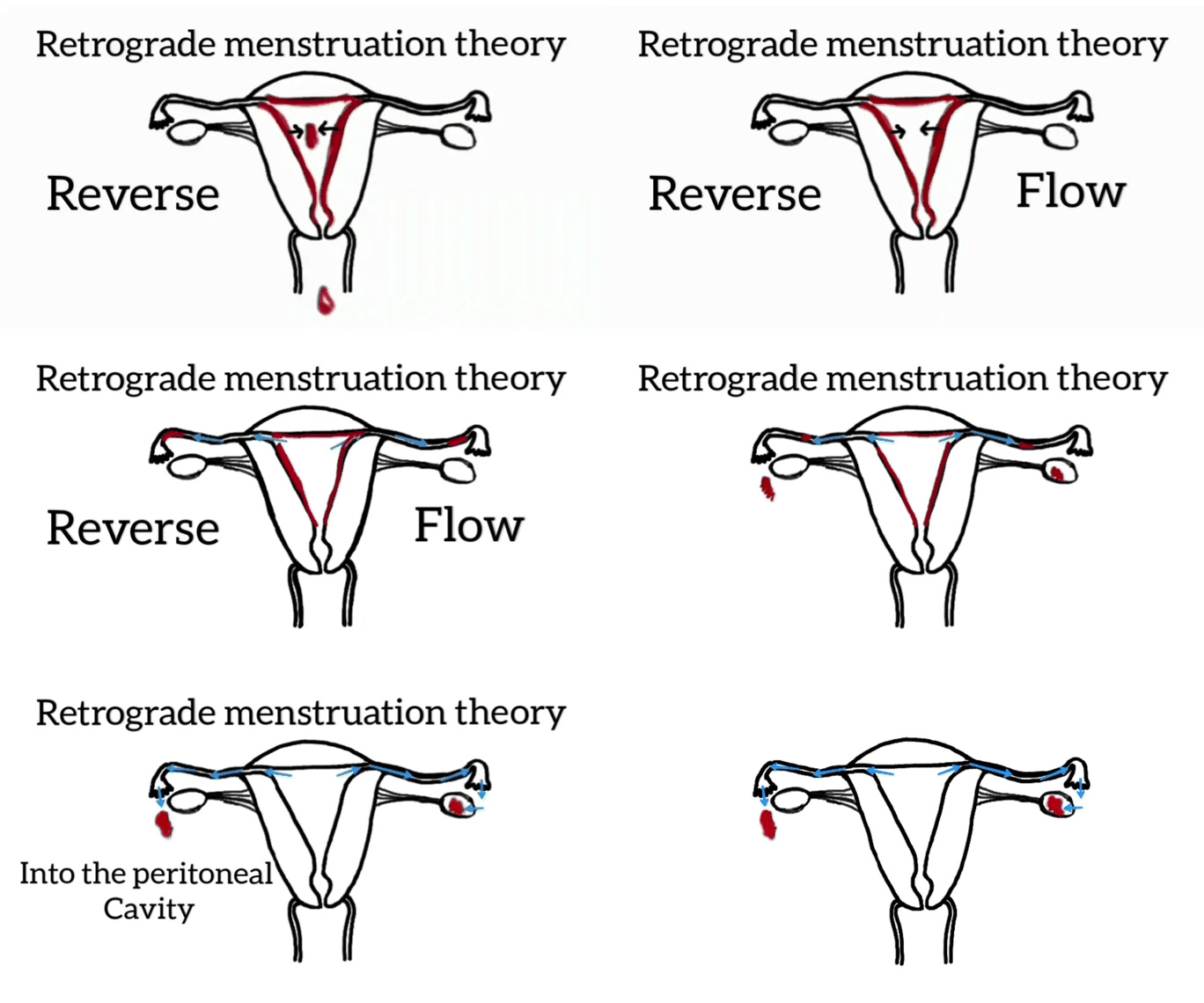
Well, due to the complexity of this condition, there is no certain pathogenesis to explain endometriosis.[2,3,6,7,14] Multiple hypotheses and theories have been proposed for the pathogenesis of endometriosis. However, each individual theory fails to account for all types of endometriotic lesions and is not mutually exclusive – therefore, multiple mechanisms are likely to be involved.[27] Some of the main theories that stand out today are-
- Retrograde menstruation theory
- Stem Cell Theory
- Lymphateous spread
- Genetic Theory
Fun fact: The word endometriosis was introduced by Sampson in 1927.[1,20,23]
Though I always wondered since, in endometriosis, lesions are found outside of the uterus and elsewhere (organs). Shouldn’t endometriosis be named as Ecto-metriosis?
Research showed 76-90% of menstruating women experience retrograde menstrual flow.
In contrast, only approximately 10% suffer from endometriosis, there is more to this condition than retrograde menstrual flow, which is what led to the proposal of the stem cell theory. [6-8]
Stem cell theory
Human endometrium regenerates on a cyclical basis each month, likely mediated by endometrial stem/progenitor cells. [17]
Stem cells are basic cells that can become almost any type of cell in the body
Progenitor cells are early descendants of stem cells
Women with endometriosis also exhibit an increase in the number of basalis fragments in their menstrual blood, which may account for disease pathogenesis when compared to healthy women who will also shed functionalis stem/progenitor cells. [17]
As endometrial progenitor cells are shed during the menstrual cycle, the retrograde menstruation theory was expanded, and it was established that these stem cells spread to the peritoneum via this process. [21]
Lymphovascular metastasis theory suggests that endometrial cells could spread to ectopic sites via the lymphatic and hematogenous spread, accounting for the presence of endometriosis in distant locations outside the pelvis.[6,33]
The genetic/epigenetic theory
Although there’s no particular endometriosis gene that’s been found [26]. Two-thirds of women with a diagnosis of the condition report having a family member suffering from endometriosis[13].
The risk of developing endometriosis is 6%–9% higher in first-degree relatives of women and 15% higher when they had severe disease [12-14]. In twin sisters, the prevalence and the age of onset of endometriosis are similar[15].
More recently, hereditary factors were estimated to account for 50% of endometriosis [16].
Now,
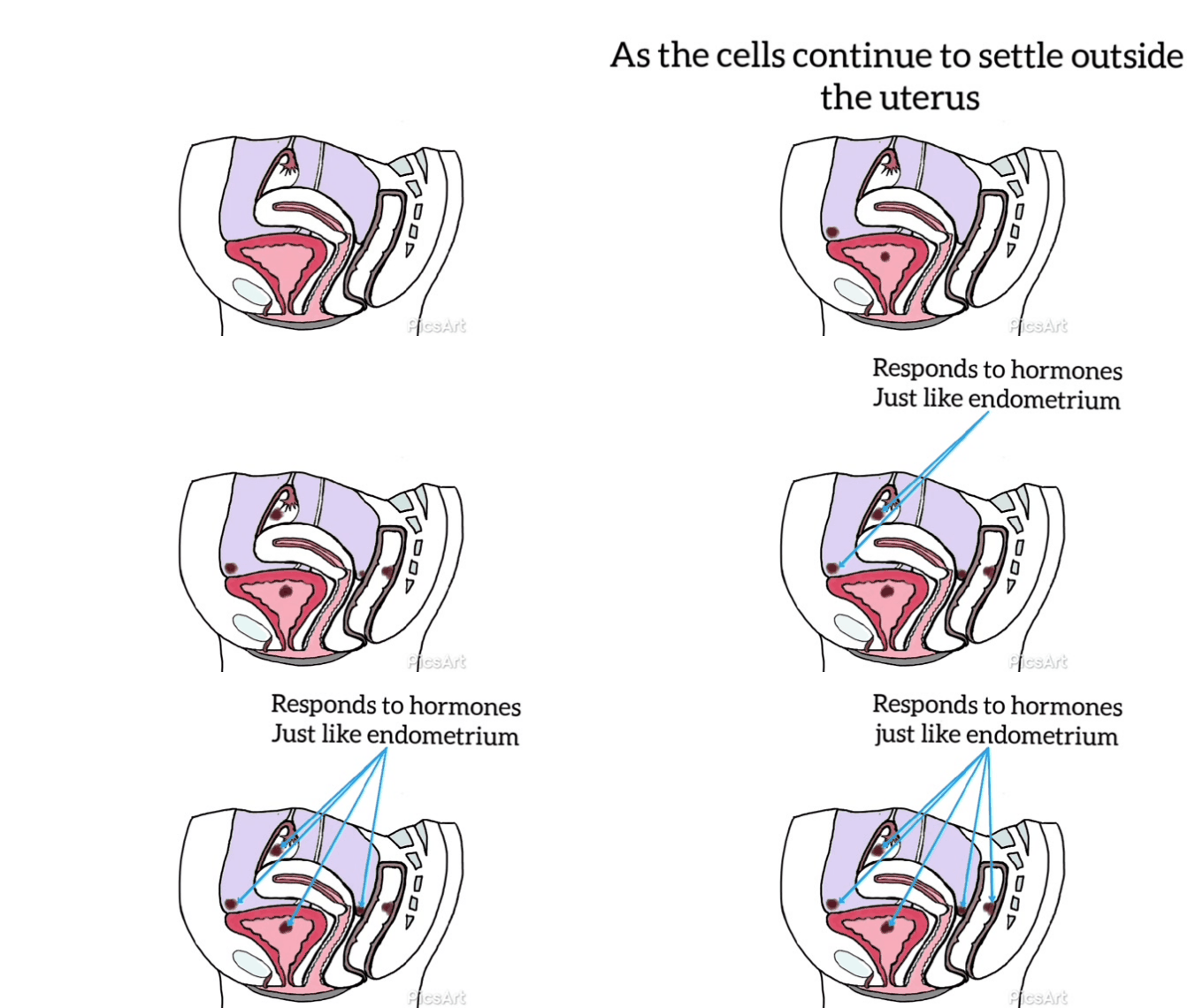
The ectopic endometrial tissue responds to hormonal stimulation and undergoes cyclic growth and shedding. Without a way to drain, this causes internal accumulation of blood. [2,26] Laux-Bielman et al. (2015) proposed the menstruating tissue as the trigger for inflammatory pain in endometriosis through the activation of innate immune cells and peripheral nerve endings.[28]
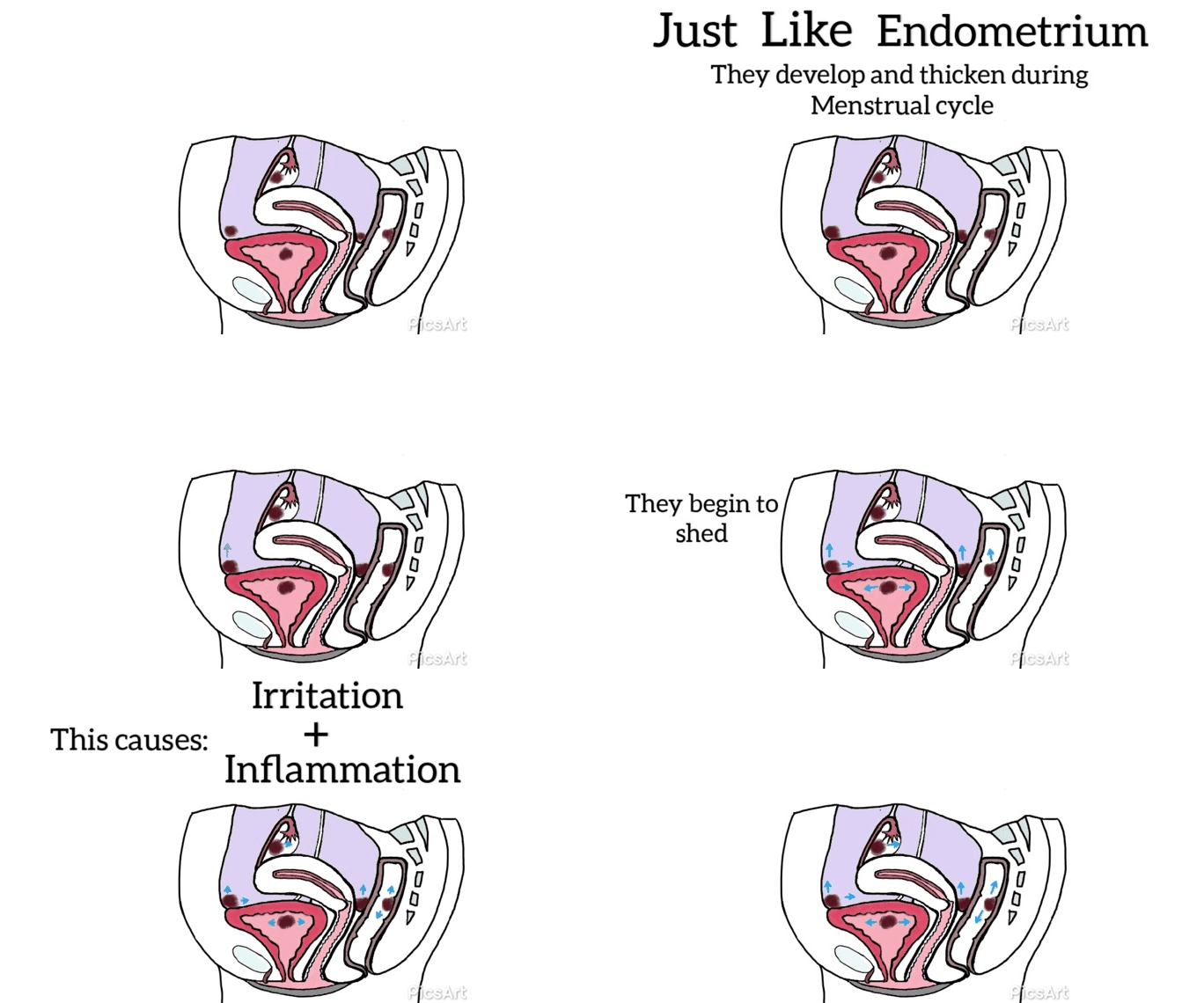
The failure to remove fragments of menstrual effluent from the abdominal cavity induces excessive local inflammation and irritation.[7,24,33] 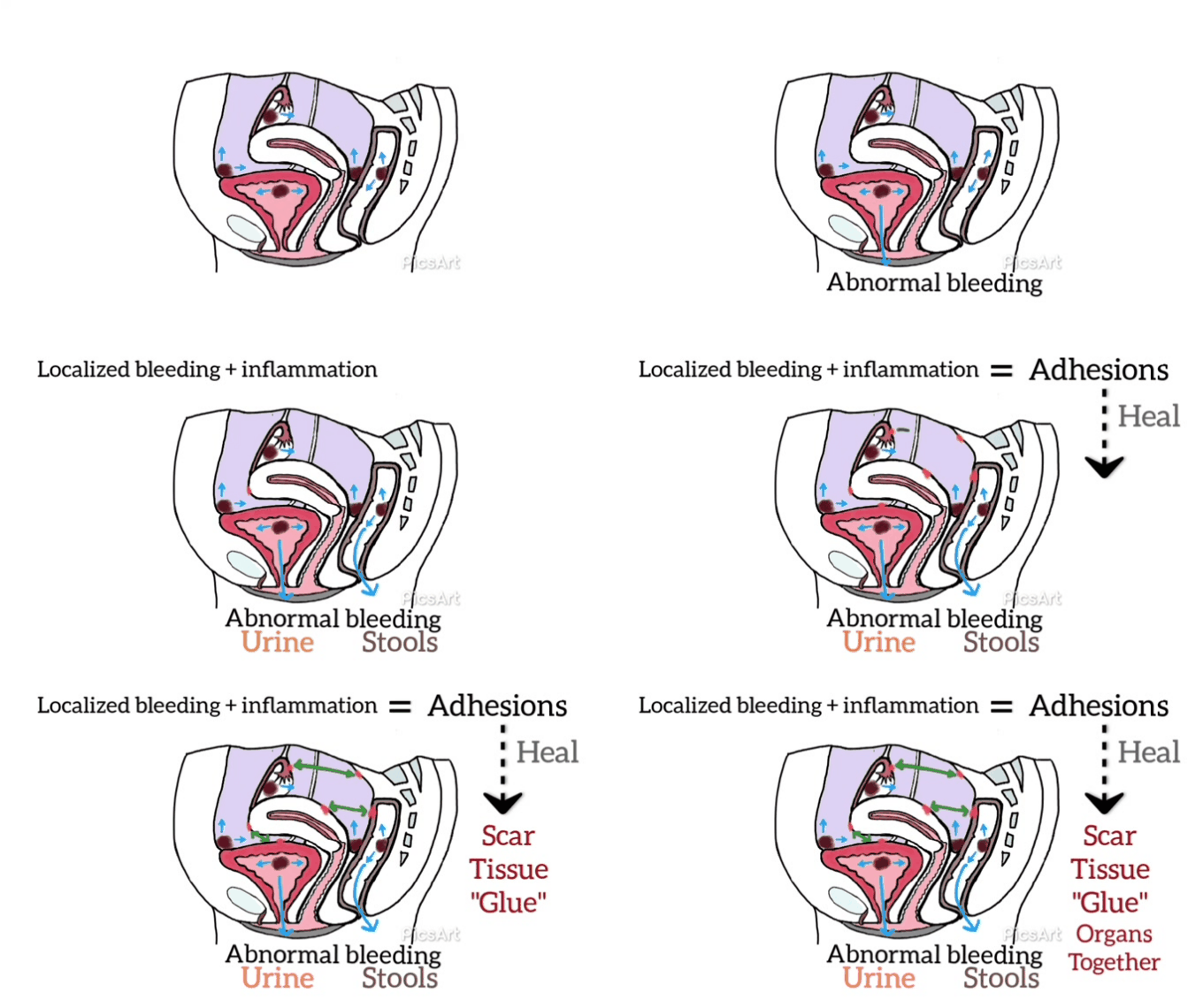
Isolated cells from menstrual endometrial fragments as well as non-cellular medium prepared from menstrual effluent induce alterations in the epithelial layer of the membrane forming the lining of the abdominal cavity to damage it, creating its own adhesion sites around the peritoneum.[33]
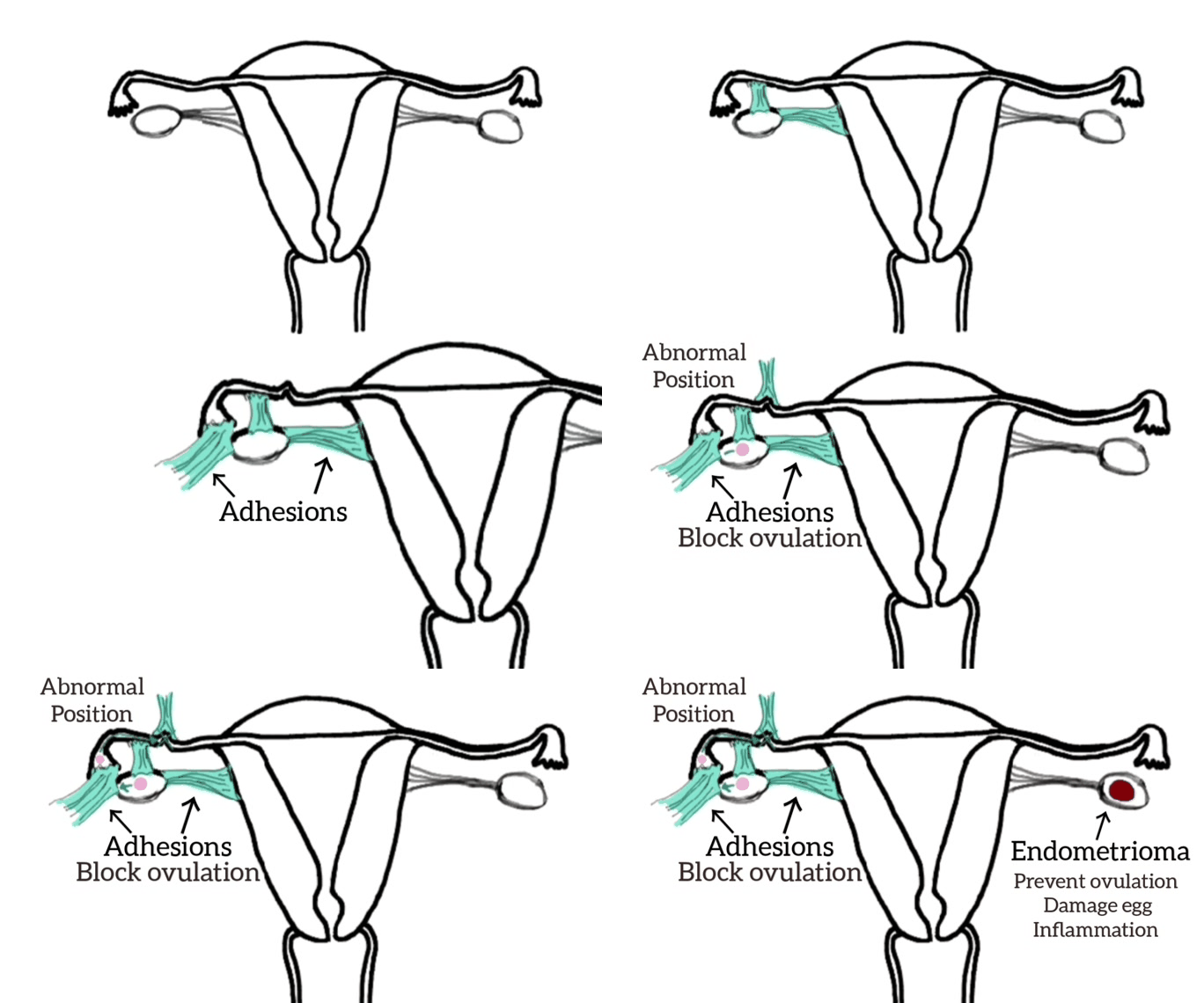
The contributions of endometriosis to infertility are likely multifactorial, including⬎
Impaired tubo-ovarian function: Adhesions around the ovaries and the fallopian tubes that either block the ovary from releasing the eggs or hold the tubes in abnormal positions that prevent the egg from moving along smoothly and reaching the uterus.
Ovarian endometrioma: can cause pelvic inflammation and damage the eggs or prevent effective ovulation. Thus reducing oocyte quality and endometrial receptivity to implantation.[24,32]
Whew!
🚬 Smog Alert🚬
Did you know that although smoking is deleterious to many other aspects of health, smoking is associated with a decreased risk of endometriosis in many research studies?[29,30,31] This is NOT in any way to encourage smoking as the harmful cons outweigh the to-dos, but it’s interesting to find this occurring, isn’t it?
Until next time,
With love,
Palasha
References:
- Sampson JA: Peritoneal endometriosis due to the menstrual dissemination of endometrial tissue into the peritoneal cavity. American Journal of Obstetrics & Gynecology. 1927;14(4):422–469. 10.1016/S0002-9378(15)30003-X
- Vercellini, P., Viganò, P., Somigliana, E. et al. Endometriosis: pathogenesis and treatment. Nat Rev Endocrinol 10, 261–275 (2014) DOI:10.1038/nrendo.2013.255
- Rolla, E. (2019). Endometriosis: advances and controversies in classification, pathogenesis, diagnosis, and treatment. F1000Research, 8, F1000 Faculty Rev-529. DOI:10.12688/f1000research.14817.1
- Orrin Hatch: This is nothing short of a public health emergency. (2019). Retrieved 26 December 2019, from https://www.cnn.com/2018/03/27/opinions/endometriosis-start-a-conversation-hatch-opinion/index.html
- My Life with Endometriosis – Samara’s Story – Wessex Fertility. (2019). Retrieved 25 December 2019, from https://www.wessexfertility.com/blog/my-life-with-endometriosis-samaras-story/
- Paul J.Q. van der Linden, Theories on the pathogenesis of endometriosis, Human Reproduction, Volume 11, Issue suppl_3, November 1996, Pages 53–65, https://doi.org/10.1093/humrep/11.suppl_3.53
- Carpinello OJ, Sondheimer LW, Alford CE, et al. Endometriosis. [Updated 2017 Oct 22]. In: Feingold KR, Anawalt B, Boyce A, et al., editors. Endotext [Internet]. South Dartmouth (MA): MDText.com, Inc.; 2000-. Available from: https://www.ncbi.nlm.nih.gov/books/NBK278996/
- Blumenkrantz JM, Gallagher N, Bashore RA, Tenckhoff, H. Retrograde menstruation in women undergoing chronic peritoneal dialysis. Obstet Gynecol 1981; 57:667-70.
- Yang, J., & Huang, F. (2014). Stem cell and endometriosis: new knowledge may be producing novel therapies. International journal of clinical and experimental medicine, 7(11), 3853–3858.
- Guerriero S, Mais V, Ajossa S, et al. : The role of endovaginal ultrasound in differentiating endometriomas from other ovarian cysts. Clin Exp Obstet Gynecol. 1995;22(1):20–2
- Guerriero S, Ajossa S, Minguez JA, et al. : Accuracy of transvaginal ultrasound for the diagnosis of deep endometriosis in uterosacral ligaments, rectovaginal septum, vagina, and bladder: Systematic review and meta-analysis. Ultrasound Obstet Gynecol. 2015;46(5):534–45. 10.1002/uog.15667
- Simpson, J.L., Elias, S., Malinak, L.R., and Buttram, V.C.J. Heritable aspects of endometriosis. I. Genetic studies. Am J Obstet Gynecol. 1980; 137: 327–331
- Coxhead, D. and Thomas, E.J. Familial inheritance of endometriosis in a British population. A case-control study. J Obstet Gynecol. 1993; 13: 42–44
- Kennedy, S. The genetics of endometriosis. J Reprod Med. 1998; 43: 263–268
- Moen, M.H. Endometriosis in monozygotic twins. Acta Obstet Gynecol Scand. 1994; 73: 59–62
- Sapkota, Y., Attia, J., Gordon, S.D., Henders, A.K., Holliday, E.G., Rahmioglu, N. et al. Genetic burden associated with varying degrees of disease severity in endometriosis. Mol Hum Reprod. 2015; 21: 594–602
- Cousins FL, O DF, Gargett CE. Endometrial stem/progenitor cells and their role in the pathogenesis of endometriosis. Best Pract Res Clin Obstet Gynaecol. 2018;50:27–38. DOI:10.1016/j.bpobgyn.2018.01.011
- The pathophysiology of endometriosis and adenomyosis: tissue injury and repair. Arch Gynecol Obstet, 280 (2009), pp. 529-538
- Deane JA, Gualano RC, Garrett CE. Regenerating endometrium from stem/progenitor cells: it is abnormal in endometriosis. Asherman’s syndrome and infertility? Curr Opin Obstet Gynecol. 2013;25:193-200.
- Benagiano, G., Brosens, I., & Lippi, D. (2014). The History of Endometriosis. Gynecologic and Obstetric Investigation, 78(1), 1–9. DOI:10.1159/000358919
- Endometrial stem/progenitor cells: the first 10 years. Gargett CE, Schwab KE, Deane JA. Hum Reprod Update. 2015;22:137–163
- Olive DL, Pritts EA. Treatment of endometriosis. N Engl J Med.2001;345(4):266–275.oi:10.1056/NEJM200107263450407
- Slender M, Srinivasan S. Pathogenesis of endometriosis: Look no further than John Sampson [published online ahead of print, 2019 Oct 24]. Reprod Biomed Online. 2019; S1472-6483(19)30783-7. DOI:10.1016/j.rbmo.2019.10.007
- Olive, D. (2005). Endometriosis in clinical practice. London: Taylor & Francis.
- Borghese, B., Zondervan, K.T., Abrao, M.S., Chapron, C., and Vaiman, D. Recent insights on the genetics and epigenetics of endometriosis. Clin Genet. 2017; 91: 254–264
- Alimi, Y., Iwanaga, J., Loukas, M., & Tubbs, R. S. (2018). The Clinical Anatomy of Endometriosis: A Review. Cureus, 10(9), e3361. DOI:10.7759/cureus.3361
- Dhesi, A. S., & Morelli, & S. S. (2015). Endometriosis: A Role for Stem Cells. Women’s Health, 35–49. https://doi.org/10.2217/WHE.14.57
- Laux-Biehlmann, A., d’ Hooghe, T., & Zollner, T. M. (2015). Menstruation pulls the trigger for inflammation and pain in endometriosis. Trends in Pharmacological Sciences, 36(5), 270–276. DOI:10.1016/j.tips.2015.03.004
- Sahin Ersoy G, Zhou Y, İnan H, Taner CE, Cosar E, Taylor HS. Cigarette Smoking Affects Uterine Receptivity Markers. Reprod Sci. 2017;24(7):989–995. DOI:10.1177/1933719117697129
- Simonelli A, Guadagni R, De Franciscis P, et al. Environmental and occupational exposure to bisphenol A and endometriosis: urinary and peritoneal fluid concentration levels. Int Arch Occup Environ Health. 2017;90(1):49–61. DOI:10.1007/s00420-016-1171-1
- Vaughan, S., Coward, J. I., Bast, R. C., Jr, Berchuck, A., Berek, J. S., Brenton, J. D., … Balkwill, F. R. (2011). Rethinking ovarian cancer: recommendations for improving outcomes. Nature reviews. Cancer, 11(10), 719–725. DOI:10.1038/nrc3144
- Carvalho, LF, Rossener, R, Azeem, A, Malvezzi, H, Abrao, Simoes M, Agrawal, A. From conception to birth – how endometriosis affects the development of each stage of reproductive life. Minerva Ginecol. 65(2), 181–198 (2013).
- Laganà AS, Garzon S, Götte M, et al. The Pathogenesis of Endometriosis: Molecular and Cell Biology Insights. Int J Mol Sci. 2019;20(22):5615. Published 2019 Nov 10. DOI:10.3390/ijms20225615
Featured Image: https://stock.adobe.com/uk/images/woman-take-uterus-billboard/195321828?prev_url=detail&asset_id=192401061 (Licensed)
 ♂THE PELVIC PHYSIO♀
Well illustrated!
LikeLike
Thank you so much!
LikeLike
Love how you have described the entire thing and broken it into different segments. Hope to take a leaf out of it 🙂
LikeLike